Creating a sustainable and eco-friendly home environment is a meaningful way to reduce your environmental impact while also enjoying a healthier living space. Whether you’re setting up a new home or looking to improve your current one, there are many simple and effective strategies to make your lifestyle greener and more environmentally responsible.
In this post, we’ll explore practical tips that cover everything from energy use and waste management to indoor air quality and sustainable materials. These measures not only help protect the planet but often lead to savings on utility bills and a more comfortable home.
Why Choose a Sustainable Home?
Sustainable homes focus on reducing energy consumption, conserving water, minimising waste, and using resources wisely. These changes contribute to lowered greenhouse gas emissions and less pollution. Moreover, green homes often feature improved insulation and ventilation, making them more energy-efficient and pleasant to live in.
Energy Efficiency: The Heart of Sustainability
Upgrade to Energy-Saving Appliances
Switching to energy-efficient appliances like refrigerators, washing machines, and lighting can significantly reduce electricity use. Look for devices with high energy rating labels such as A+++ when purchasing.
Harness Natural Light
Maximise daylight in your living areas by placing mirrors strategically and using light curtains. Not only does this reduce the need for artificial lighting during the day, but it also enhances your home’s ambience.
Insulate and Seal Your Home
Good insulation in walls, roofs, and floors keeps heat in during winter and out during summer. Sealing gaps around doors and windows prevents drafts, making heating and cooling systems more effective.
Consider Renewable Energy Sources
If possible, installing solar panels or small wind turbines can provide clean, renewable power for your home. Many governments offer incentives or subsidies to support homeowners choosing renewable energy options.
Water Conservation Strategies
Water is another critical resource, and conserving it makes your home more sustainable.
Install Low-Flow Fixtures
Low-flow showerheads, taps, and dual-flush toilets significantly reduce water usage without compromising comfort.
Collect Rainwater
Rainwater harvesting systems can be used for garden watering, flushing toilets, or even laundry, reducing your reliance on mains water.
Monitor and Fix Leaks
A dripping tap or leaking toilet can waste thousands of litres of water annually. Regularly checking for leaks and repairing them promptly helps conserve water and reduce bills.
Waste Reduction at Home
Reducing waste is integral to sustainability. It limits landfill use and lowers pollution.
Embrace Recycling and Composting
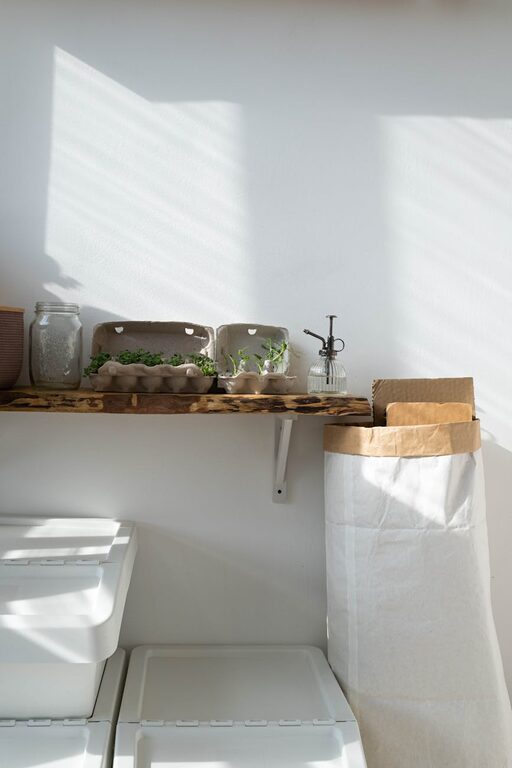
Create designated bins for recyclable materials like paper, plastic, glass, and metal. Composting organic waste such as food scraps and garden trimmings produces valuable fertiliser for plants.
Choose Reusable Over Disposable
Switch to reusable shopping bags, containers, coffee cups, and cloth nappies when possible. Reducing single-use items cuts down on plastic waste.
Repair and Repurpose
Before discarding an item, consider if it can be repaired or repurposed. This extends the life of household goods and decreases unnecessary consumption.
Selecting Sustainable Materials and Furnishings
The materials you use can affect the eco-friendliness of your home.
Opt for Natural and Certified Products
Wood sourced from sustainably managed forests, natural fibres like cotton or wool, and low-VOC (volatile organic compound) paints improve indoor air quality and reduce environmental harm.
Buy Second-Hand or Vintage Furniture
Purchasing pre-loved furniture avoids the environmental costs of new production and adds character to your home.
Improving Indoor Air Quality
Good indoor air quality is essential for health and wellbeing.
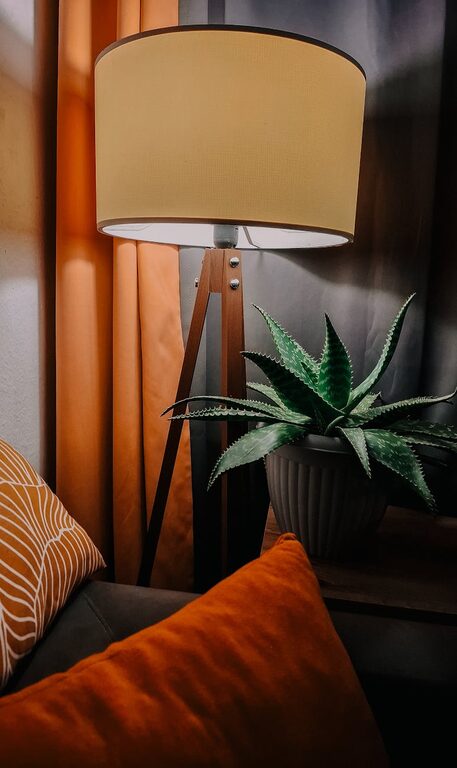
Use Houseplants
Certain indoor plants naturally purify the air by removing toxins and increasing oxygen levels.
Avoid Harmful Chemicals
Choose eco-friendly cleaning products and avoid air fresheners and aerosols that contain harmful substances.
Ensure Proper Ventilation
Regularly airing out rooms and using extractor fans in kitchens and bathrooms helps reduce indoor pollutants and moisture that can lead to mould.
Greening Your Garden
An eco-friendly home extends outdoors.
Plant Native and Drought-Tolerant Species
Native plants require less water, fertilisers, and pesticides. They also support local wildlife.
Create a Wildlife-Friendly Space
Installing bird feeders, insect hotels, and ponds encourages biodiversity in your garden.
Use Organic Practices
Avoid synthetic chemicals and use compost or organic fertilisers to maintain healthy soil.
Lifestyle Habits for a Sustainable Home
Finally, your daily habits contribute to the eco-friendliness of your home.
– Turn off lights and unplug devices when not in use
– Use a clothesline instead of a tumble dryer where possible
– Buy local and seasonal food to reduce carbon footprint
– Support brands with sustainable practices
Conclusion
Transforming your home into a sustainable and eco-friendly environment doesn’t require drastic changes overnight. By adopting these practical tips, you can gradually reduce your environmental footprint, enjoy a healthier living space, and often save money. Start small, and build on your progress for a greener home and lifestyle.
About the Author