Creating a relaxing home environment is essential in today’s busy world. Our homes should be a sanctuary where we can unwind, recharge, and feel peaceful. Two of the most powerful tools to achieve this are colour and lighting. When used thoughtfully, they can transform any space into a calm and inviting retreat.
In this post, we’ll explore practical tips on how to use colour and lighting effectively to promote relaxation in your living spaces.
Why Colour and Lighting Matter
Before diving into the tips, it helps to understand why colour and lighting influence our mood and wellbeing.
Colour affects our emotions and energy levels. For example, some shades can invigorate us, while others soothe. The colours in a room can make it feel warm or cool, spacious or cosy.
Lighting impacts not only visibility but also our circadian rhythms and overall mood. Harsh lighting can cause discomfort, whereas soft, warm lighting can help us relax and prepare for rest.
By combining the right colours with suitable lighting, you can create a balanced and tranquil environment.
Choosing Colours for Relaxation
Not all colours are equal when it comes to calmness. Here are some general guidelines:
1. Opt for Soft, Muted Shades
Soft pastels and muted tones tend to have a calming effect. Think gentle blues, greens, lavenders, and blush pinks. These colours remind us of nature and promote serenity.
2. Consider Nature-Inspired Colours
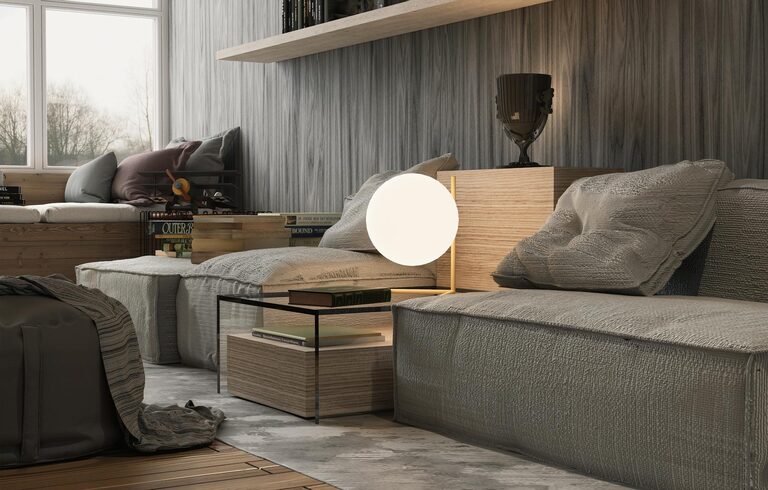
Earthy colours such as sage green, warm beige, soft browns, and sky blues connect us to the outdoors, which can help reduce stress.
3. Avoid Loud or High-Contrast Colours
Bright reds, neon shades, or stark black and white contrasts often stimulate rather than relax. Use these sparingly as accent colours if you want some vibrancy.
4. Use Colour Psychology as a Guide
– Blue: Often linked to calmness and stability.
– Green: Represents balance and renewal.
– Lavender: Promotes relaxation and reduces anxiety.
– Warm Neutrals: Create a cosy and inviting space.
5. Limit the Number of Colours
Stick to a simple, harmonious colour palette. Too many different colours can create visual chaos. Usually, two to three main colours work best.
Lighting Tips for a Soothing Atmosphere
Lighting is just as crucial as colour for comfort and relaxation.
1. Maximise Natural Light
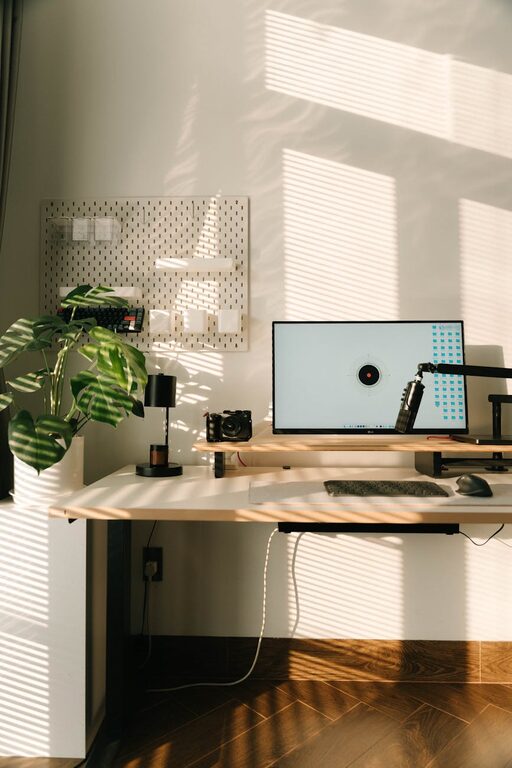
Natural daylight has significant mood-boosting benefits. Position furniture near windows to make the most of this. Use light, airy curtains that allow sunlight to filter through gently.
2. Embrace Warm Lighting
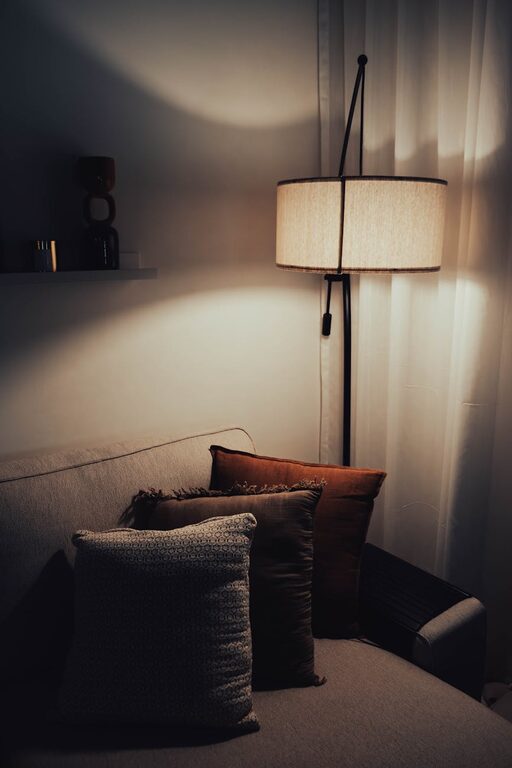
Use bulbs that emit warm white light (around 2700K to 3000K) rather than cool or daylight bulbs. Warm light creates a soft, inviting glow ideal for winding down.
3. Layer Your Lighting
Combine different types of lighting:
– Ambient lighting: General lighting to brighten the whole room.
– Task lighting: Focused light for reading or hobbies.
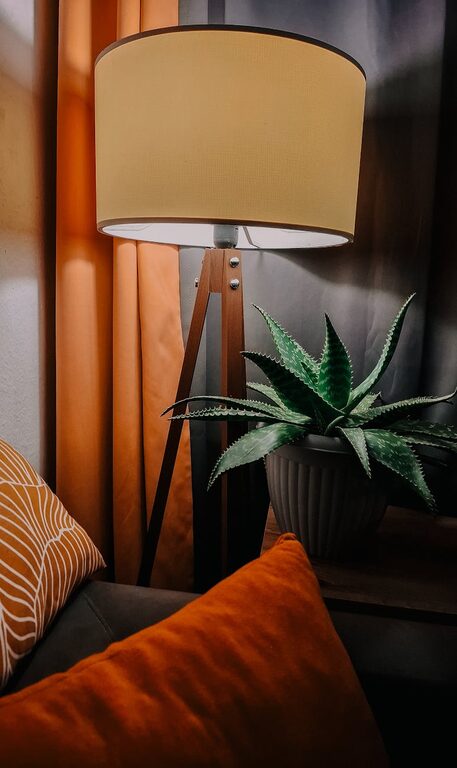
– Accent lighting: Highlight features like artwork or plants.
This layering allows you to adjust light levels according to your mood and needs.
4. Use Dimmer Switches
Dimmers are a fantastic way to control brightness easily. They help create a gentle light that gradually brightens or dims, helping your body relax, especially in the evening.
5. Incorporate Candles and Fairy Lights
Soft candlelight or battery-operated fairy lights add a warm flickering effect that encourages calmness and intimacy.
6. Avoid Harsh or Flickering Lights
Fluorescent lights or LEDs that flicker can cause eye strain and irritability. Choose high-quality bulbs with steady output to avoid this.
Combining Colour and Lighting for Maximum Effect
1. Match Colour Temperature and Paint Shades
For example, if you have cool blue walls, use lighting with a neutral or cool white tone to complement the space without creating harsh contrasts.
2. Use Lighting to Enhance Colour
Accent lighting can draw attention to a favourite coloured wall or artwork, making the room feel personalised and calming.
3. Adjust Lighting to Time of Day
In the morning, brighter light with cooler tones can help energise you. In the evening, warmer, dimmed lighting paired with calming colour schemes aids relaxation.
Practical Room-by-Room Suggestions
Living Room
– Choose muted greens or soft blues for walls.
– Use layered lighting: floor lamps for reading, ceiling lights on dimmers.
– Add soft throws and cushions in complementary colours for comfort.
Bedroom
– Paint walls in pastel shades like lavender or beige.
– Install bedside lamps with warm bulbs and dimmers.
– Consider blackout curtains to control natural light and aid sleep.
Bathroom
– Use light blue or soft grey tones to evoke spa-like calm.
– Opt for warm lighting around mirrors to reduce harsh shadows.
– Add candles for extra relaxation during bath time.
Home Office
– Keep colour neutral or with soft greens to reduce stress.
– Use daylight bulbs for task lighting to support focus.
– Avoid overly bright lights that cause glare.
Final Thoughts
Creating a relaxing home environment with colour and lighting doesn’t require major renovations. With careful choices in paint, furnishings, and light sources, you can craft spaces that support your wellbeing. Pay attention to how colours and light make you feel in different rooms, and adjust accordingly. Your home should be a sanctuary you look forward to coming back to – calm, cosy, and uplifting.
Take the time to experiment with small changes, like switching to warm light bulbs or adding a new cushion in a soothing shade. These little touches can make a significant difference to your daily comfort and peace of mind.
About the Author