Creating a productive home office space is essential for anyone working from home or pursuing personal projects. The right environment can help you stay focused, organise your tasks, and separate work life from home life. In this post, we’ll explore practical tips to help you set up a home office that suits your needs and maximises your productivity.
Choose the Right Location
Selecting the best spot for your home office is the first step. Ideally, this space should be quiet, free from distractions, and large enough to accommodate your work materials comfortably.
– Separate from living spaces: Try to pick a room or corner away from busy areas of your home.
– Natural light: If possible, position your desk near a window to benefit from natural light, which can improve your mood and focus.
– Quiet environment: Avoid noisy zones or areas with foot traffic to help minimise interruptions.
Invest in Comfortable and Ergonomic Furniture
A comfortable setup promotes better posture and reduces fatigue during long working hours.
– Ergonomic chair: Choose a chair that supports your lower back and encourages a healthy sitting position.
– Adjustable desk: Consider a desk with adjustable height or enough surface space for your computer, keyboard, and notes.
– Footrest or cushion: If needed, add accessories like footrests to improve comfort.
Organise Your Workspace Efficiently
An organised desk helps keep your mind clear and tasks manageable.
– Declutter regularly: Remove unnecessary items from your desk at the end of each day.
– Storage solutions: Use shelves, drawers, and organisers to keep documents and supplies tidy.
– Cable management: Tidy cables with clips or sleeves to prevent tangling and distractions.
Optimise Lighting
Lighting affects both your physical comfort and ability to focus.
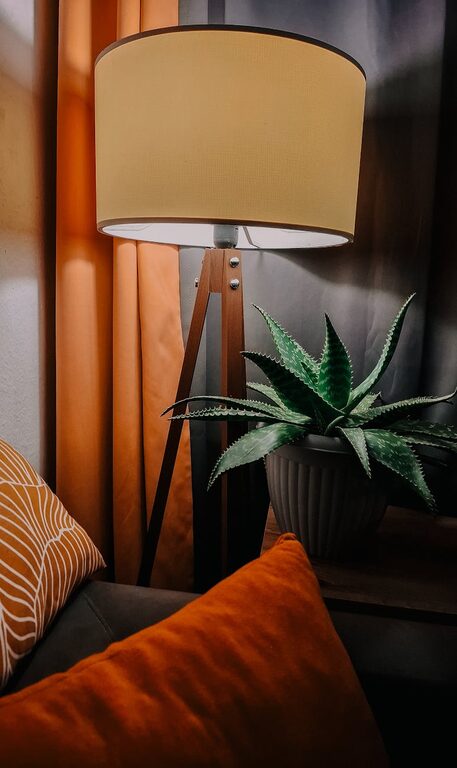
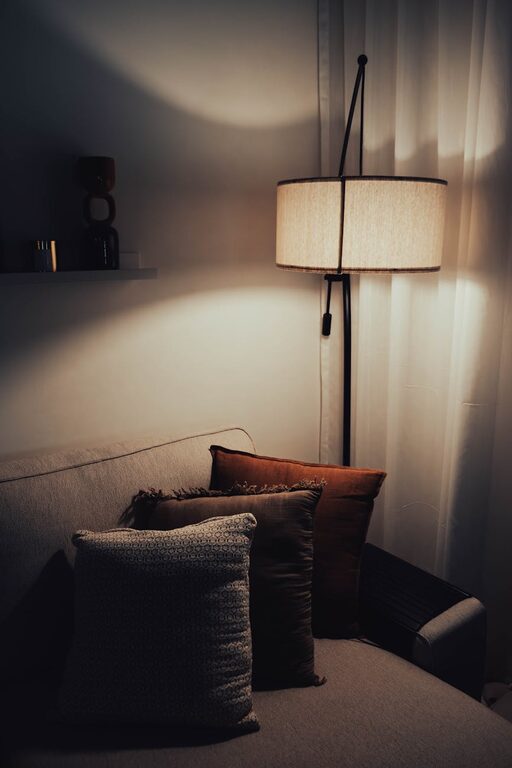
– Combine natural and artificial light: Use daylight whenever possible, and supplement with desk lamps or overhead lighting.
– Avoid glare: Position your screen and light sources to reduce reflections.
– Adjust brightness: Use adjustable lighting so you can modify the intensity according to the time of day.
Minimise Distractions
Creating boundaries in your home office reduces interruptions.
– Limit noise: Use noise-cancelling headphones, white noise machines, or soft background music.
– Set boundaries: Inform household members of your working hours and request quiet during those times.
– Limit smartphone use: Keep your phone out of sight or on silent mode during work sessions.
Personalise Your Space
Adding personal touches can make your office more inviting and motivating.
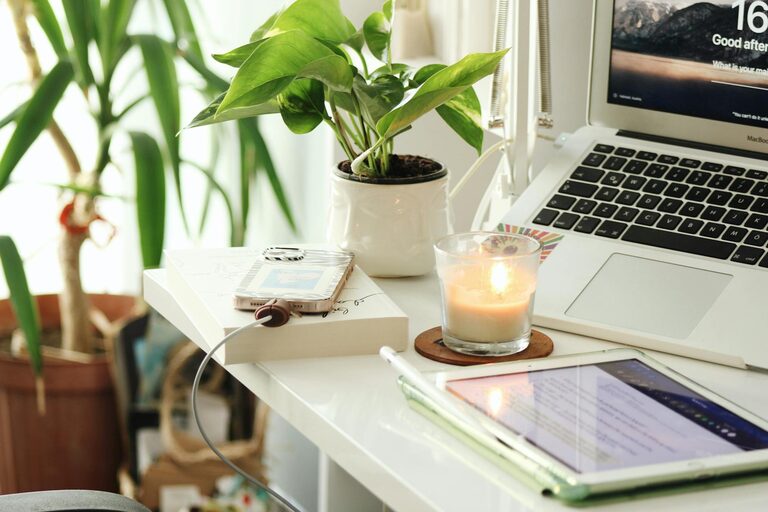
– Add plants: Small plants improve air quality and add colour.
– Decorate with art: Photos or artwork can inspire creativity.
– Use colour wisely: Choose colours that help you feel calm or energised, depending on your preference.
Establish a Routine and Dedicated Work Hours
Having a clear schedule helps distinguish work time from downtime.
– Set consistent hours: Define when you start and finish work each day.
– Take regular breaks: Short breaks help maintain focus and reduce fatigue.
– Create rituals: Start your day with a routine, like making a cup of tea or planning tasks, to signal the start of work.
Utilise Technology to Enhance Productivity
Helpful tools and apps can streamline your workflow.
– Organise tasks: Use digital planners or task management apps.
– Use video conferencing tools: Stay connected with colleagues and clients.
– Back up your work: Regularly save and back up files to avoid data loss.
Maintain Good Air Quality and Temperature
A comfortable environment supports concentration and overall well-being.
– Ventilation: Ensure your office has fresh air circulation.
– Temperature: Keep the room at a comfortable temperature, not too hot or cold.
– Air purifiers: If necessary, consider using air purifiers to improve indoor air quality.
Final Thoughts
Designing your home office to meet your personal and professional needs can greatly increase your productivity and work satisfaction. By choosing the right location, investing in comfort, organising effectively, controlling distractions, and incorporating good lighting and air quality, you create a space where work feels less like a chore and more like a positive, productive experience. Remember, your home office should reflect your style and support your goals, making each working day as efficient and enjoyable as possible.
About the Author