Creating a relaxing garden space at home is a wonderful way to bring calm and beauty to your everyday life. Whether you have a small balcony, a modest backyard, or a large garden, there are plenty of ways to design a peaceful outdoor retreat tailored to your needs. In this post, we’ll explore practical tips and ideas to help you transform your garden into a serene haven.
Why Create a Relaxing Garden Space?
A well-designed garden can serve as a natural escape from the hustle and bustle of daily routines. Spending time outdoors has been shown to reduce stress, improve mood, and increase overall wellbeing. By creating a space that feels calming and inviting, you encourage yourself and your family to spend more time outside, connecting with nature.
Planning Your Garden Space
Before planting or buying furniture, it’s important to plan your garden layout carefully. Consider the following:
– Assess your space: Measure the area and note its shape, sunlight, shade, and existing features.
– Determine your needs: Think about how you want to use the space—relaxation, socialising, gardening, or a mix.
– Set a budget: Decide how much you want to spend to avoid overspending.
Having a clear plan will make the process smoother and ensure your garden meets your expectations.
Choosing the Right Plants
Plants form the backbone of any relaxing garden. Here are some tips to choose suitable greenery:
Opt for Low-Maintenance Plants
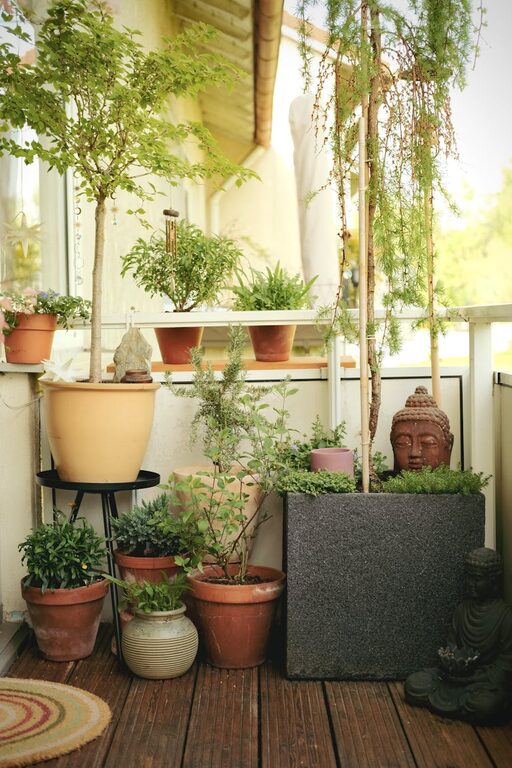
If you prefer spending time relaxing over gardening chores, select plants that require minimal care. Some examples include lavenders, hostas, ferns, and ornamental grasses.
Use Fragrant Plants
The scent of flowers and herbs can boost relaxation. Consider planting lavender, jasmine, rosemary, or mint near seating areas.
Incorporate Evergreens and Seasonal Blooms
Evergreens provide year-round structure, while seasonal flowers bring colour and vibrancy. This balance keeps your garden attractive throughout the year.
Create Layers with Plant Heights
Arrange plants of varying heights to create depth and interest. Taller shrubs or small trees at the back, medium-sized plants in the middle, and low ground cover near pathways work well.
Designing Comfortable Seating Areas
A comfortable seating area invites you to linger in your garden. Here’s how to make sure your outdoor space is welcoming:
– Choose weather-resistant furniture: Materials like treated wood, metal with cushions, or rattan work well outdoors.
– Add cushions and throws: Soft furnishings increase comfort and warmth, ideal for cooler evenings.
– Consider shade options: Use umbrellas, pergolas, or planting shade trees to protect from the sun.
– Arrange seating for conversation: Position chairs or benches to encourage social interaction or quiet reflection.
Incorporating Water Features
The gentle sound of flowing water can enhance tranquility in your garden. Small water features like fountains, birdbaths, or ponds create a soothing atmosphere. Even a simple container with floating plants and a solar-powered water pump can add peaceful sounds.
Creating Privacy
Privacy helps your garden feel like a true sanctuary. Use hedges, trellises with climbing plants, or bamboo screens to shield your space from neighbours and reduce noise pollution.
Adding Lighting for Ambience
Soft lighting extends the usability of your garden into the evening and adds a magical atmosphere. Consider these options:
– Solar-powered lanterns or fairy lights
– Ground-level spotlights to highlight trees or pathways
– Candles or LED tealights on tables
Avoid harsh, bright lights to keep the ambience calm.
Include Personal Touches
Incorporate elements that reflect your personality and interests, such as garden art, wind chimes, or a small bookshelf for outdoor reading. These touches make the space uniquely yours.
Maintain Your Garden Regularly
A tidy garden feels more relaxing. Regularly:
– Water plants adequately
– Remove weeds and dead foliage
– Clean seating and hard surfaces
– Check and maintain water features and lighting
Even just 10-15 minutes a day can keep your garden looking its best and ready for enjoyment.
Benefits of Spending Time in Your Garden
Besides relaxation, spending time in your garden can:
– Improve concentration and creativity
– Encourage physical activity
– Provide opportunities for socialising
– Support mental wellbeing by connecting with nature
Making your garden a relaxing space is an investment in your health and happiness.
Final Thoughts
Creating a relaxing garden space at home doesn’t require professional landscaping or a large budget. With a bit of planning, thoughtful plant choices, comfortable seating, and personal touches, you can craft a peaceful retreat right outside your door. Take your time designing and enjoy the process—your calm garden oasis awaits!
About the Author